Crafting Journeys in the High Alps

Join us as we explore eco-tourism itineraries built around hands-on workshops with Alpine artisans, where journeys follow ridgelines of craft, culture, and careful stewardship of fragile mountain environments. Learn how to combine rail routes, village studios, seasonal harvests, and respectful practices into meaningful days that end with skills, friendships, and stories. Tell us what craft calls to you, ask questions in the comments, and subscribe for new routes shaped by local wisdom and shared curiosity.

Mapping a Low-Impact Route Through Mountain Valleys

Thoughtful planning turns mountain travel into a gentle thread that binds studios, farms, and forests without tugging at delicate ecosystems. We’ll look at using trains, funiculars, and village buses to reach working ateliers, sequencing travel so mornings carry you to practice and evenings offer restorative rest. Pace matters; so does weather, altitude, and daylight. Build buffer time, respect local rhythms, and make space for serendipity when a maker invites you to stay longer, share a meal, or listen to valley stories passed down for centuries.

Choosing Rail and Ropeway Links Over Rental Cars

Glide along scenic railways that knit valleys to high passes, then shift to ropeways or funiculars that float above meadows rather than cutting through them with extra traffic. Local buses time their stops to meet trains, keeping transfers seamless and footprints smaller. With transit apps, village timetables, and a bit of patience, you arrive relaxed, ready to learn from artisans rather than worry about parking, fuel, or switchback roads. The slower approach invites conversation, panoramic windows, and the joy of arrival without exhaust trailing behind.

Stitching Workshops Into Travel Days Without Rush

Work with the cadence of the craft, not against it. Morning trains deliver you before the copper vats are heated or the benches are laid with tools. Leave generous margins for introductions, safety briefings, and tea that turns strangers into classmates. If you attend two sessions in a day, keep them close together, ideally within walking distance through lanes scented with resin and bread. Rest between sessions, journal your notes, and photograph your progress respectfully. Unhurried hours allow mistakes to teach rather than frustrate.
Meeting Masters of the Peaks
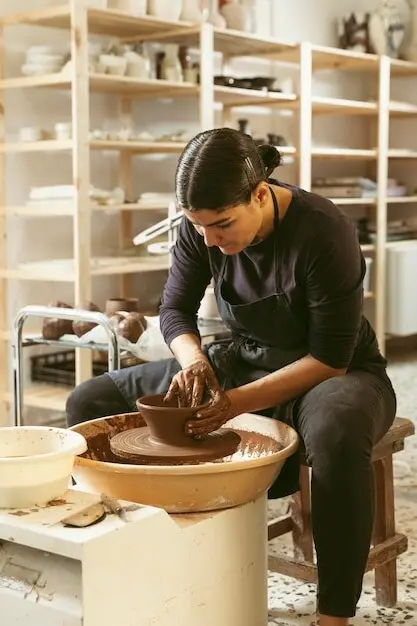
Across green pastures and granite hamlets, artisans tend time-honored skills shaped by ice, wind, and seasonal patience. A cheesemaker listens to curds like a musician, a carver studies larch grain like a map, and a herbalist gathers dawn’s quiet to dry into winter comfort. Languages interlace—French, Italian, German, Romansh—yet hands bridge every gap. You’ll learn greetings, stories of avalanches and harvests, and how each craft sustains livelihoods without exhausting the mountains. Encounters feel personal, because they are: small groups, open doors, and lessons threaded with generosity.

Workshops That Teach with Hands and Heart

Sessions are intimate, practical, and welcoming, designed so beginners feel brave and experienced makers still discover nuance. Safety, storytelling, and skill-building braid together: you’ll sharpen tools, measure by feel, and celebrate imperfection as evidence of presence. Every instructor shares the why behind materials—milk fat percentages, larch density, wool micron counts—so choices become ethical as well as aesthetic. You’ll leave with a crafted object, but more importantly, with a process you can repeat, adapt, and share, turning travel into a practice that continues at home.
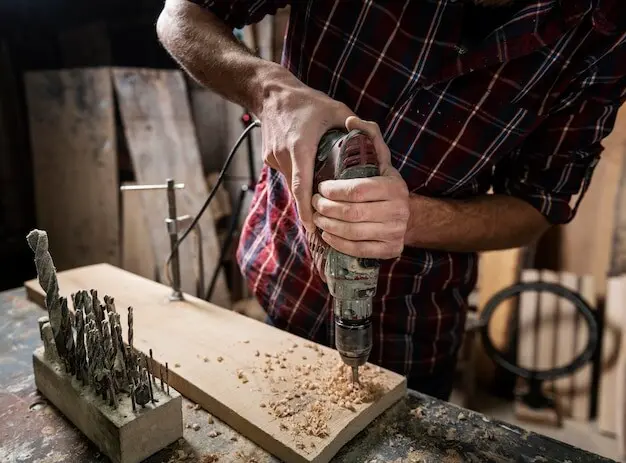
Begin with a greenwood blank and a respectful safety briefing. Learn chest lever cuts, stop cuts, and slices that curl fragrant ribbons to the floor. A spoon’s bowl emerges slowly as you rest often to check symmetry against sunlight. Sand only when carving is truly complete, then oil with a food-safe finish that deepens grain like rain on stone. Around the bench, conversations drift—from forest stewardship to how a simple utensil invites slower meals. Your palm memorizes curves; your pocket carries proof.
Clean hands, sanitized tools, and a notebook ready for observations that matter: milk temperature, cut size, stirring rhythm. You ladle gently, mind the pH, and learn how salt regulates both flavor and microbial life. In the cellar, your guide teaches brushing, washing, and turning schedules that coax rinds into character. Taste flights reveal how altitude, pasture flowers, and season shape aroma. You leave understanding that aging is conversation, not command, and that respecting microorganisms is as important as polishing the final wheel’s label.

Sustainability Woven Into Every Step

Look for pellet or woodchip boilers fed by responsibly managed forests, heat-recovery ventilation, and insulation that keeps stoves quiet and rooms warm. Ask whether linens skip daily changes, kitchens compost, and roofs host solar panels. Certifications help, but conversations reveal commitment: staff who know where food comes from, maintenance that reuses parts, and managers who publish emissions goals. The coziest evenings often begin with a lobby boot-dryer and end with stories about community forestry. Your stay funds stewardship as tangibly as any donation.
Menus change with weather and haycuts, featuring breads baked from heritage grains, cheeses from the very cellar you visited, and vegetables grown in terraces above the village. Short supply chains mean flavors arrive bright and waste travels almost nowhere. Ask for seasonal plates, bring your own container for leftovers, and celebrate humble dishes that honor roots and rinds. Eating this way strengthens circular economies that keep families on farms and makers at benches. Every bite tells a story of altitude, effort, and neighborly exchange.
A smaller pack lightens steps and spirits. Choose layers that mend easily, carry tape, needle, and a tiny wax block for zippers. Clean boots to avoid transporting seeds, stick to signed paths, and yield to livestock calmly. Refill bottles at fountains, skip single-use sachets, and bring a compact container for snacks from markets. Even your souvenirs can travel lighter: a carved spoon, a tiny cheese, a tin of balm. Thoughtful choices, repeated daily, become a quiet promise the mountains can hear.

Stories from the Trail

Memory gathers like mist in saddles and burns bright again when someone asks, “How did it feel?” An apprentice woodcarver’s nervous laugh, a cheesemaker’s proud nod, the herbalist’s steady hand—these moments shape understanding more than any signboard. We share field notes, photos of sap-stained gloves, and the sound of a train rounding a snowy curve at dusk. Add your voice: what surprised you, what craft you crave, which valley you wish to learn in next. Shared stories become the map for kinder journeys.

The Day a Glacier Wind Changed Our Lesson
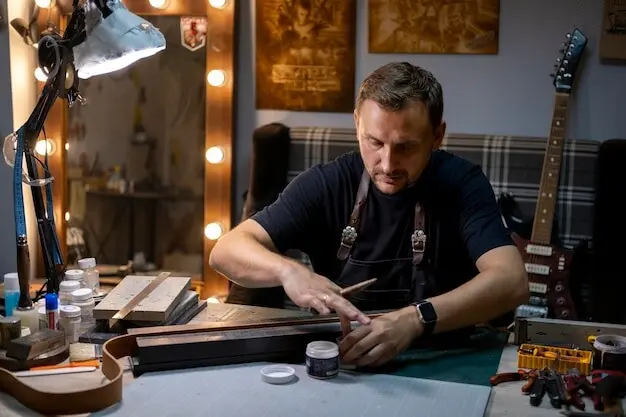
A sudden katabatic gust rattled shutters and cooled the studio. Instead of carving outside, we circled a stove, studied grain under warm lamps, and listened to our teacher recount winters when snow met the windowsill. The change slowed us, deepened focus, and made tea taste like celebration. Later, stepping into the clear night, stars looked carved themselves. We learned that flexibility is not a compromise but a collaborator, turning weather into a mentor and patience into the sharpest tool we carry.

A Grandmother’s Pattern Book and a Promise to Return
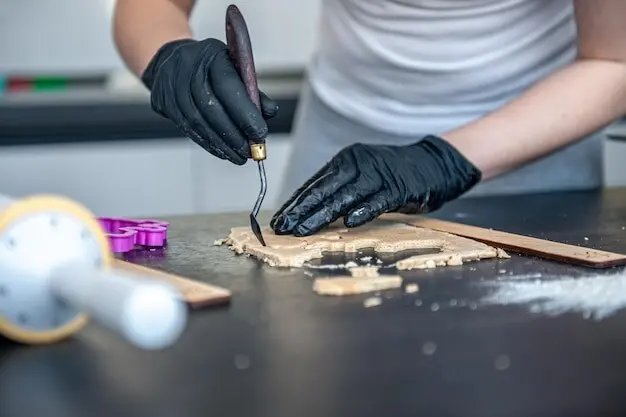
In a kitchen perfumed with drying thyme, our host unfolded a worn notebook filled with stencils and notes in looping script. Each margin held measurements, corrections, and tiny pressed flowers. She traced a motif with one finger, then guided ours, translating the rhythm of her mother’s hands. We copied carefully, promised to practice, and tucked a photocopy between our journal pages. That night, we wrote a postcard addressed to ourselves, sealing a vow to return when snowmelt fed the streams again.

A Train Picnic that Became a Community Feast

We boarded with bread, pears, and a small cheese from the morning’s vat. A neighboring family added walnuts and a jar of mountain honey. Soon strangers offered pickles, stories, and directions to a luthier’s tiny workshop near the next stop. By the time tunnels opened onto a sunlit valley, the carriage felt like a dining room on rails. We descended together, waved goodbyes, and followed new friends to music that smelled of spruce, varnish, and decades of careful listening.

Reading Seasonal Calendars and Aligning With Local Festivals

In the Alps, calendars are living documents shaped by haymaking, transhumance, and snowfall. Festival weeks may open rare workshops or close streets to traffic, affecting transfers. Study village bulletins, regional tourist boards, and artisan newsletters well ahead. Consider shoulder seasons for quieter studios and clearer conversations. Match your skill goals to natural cycles—cheese with summer pastures, woodcarving with winter’s reflective pace, herbs with late spring abundance. Planning this way improves availability, reduces stress, and builds rapport with hosts who feel seen and respected.

Understanding Fair Prices that Sustain Mountain Lives

Behind every session fee stand years of practice, maintenance of tools, heating costs, insurance, and the unpredictable nature of mountain seasons. Paying fairly supports apprenticeships, local suppliers, and the survival of workshops that anchor communities. Ask what’s included, accept small variations for remote locations, and remember that quality teaching requires unhurried time. Budget for tips, purchases of materials, and perhaps a piece from the master’s hand. Transparent pricing builds trust, ensuring that your learning nourishes both your skill and the valley’s future.
Laximexozerasento
Privacy Overview

This website uses cookies so that we can provide you with the best user experience possible. Cookie information is stored in your browser and performs functions such as recognising you when you return to our website and helping our team to understand which sections of the website you find most interesting and useful.