
Hand, Heart, and Timber: Alpine Craft Reimagined for Lasting Buildings

Today we set our sights on Reviving Alpine Woodworking and Shingle Craft for Sustainable Architecture—bringing back split-larch shingles, precise joinery, and forest-wise sourcing to create low-carbon, breathable buildings. We’ll blend field stories, practical details, and measurable benefits so you can apply mountain wisdom to contemporary projects, from small cabins to civic landmarks, without losing the warmth and generosity of handwork.

Choosing the Right Tree

Larch offers durable heartwood and resin that shrug off weather; spruce brings excellent strength-to-weight for long spans; fir supplies straight, forgiving grain. Favor mature, slow-grown timber with tight rings, felled in winter to reduce sap and staining, then bucked and stored to match intended uses, from frames to shingles.

Responsible Harvest and Transport

On steep slopes, horse skidding, cable yarding, and light machinery prevent ruts, protect streams, and reduce compaction. Short hauling to village sawmills cuts emissions and builds relationships. Offcuts become shingles or wood-fiber insulation, bark becomes mulch, and chips heat kilns, turning byproducts into community resources.

Joinery That Endures Weather and Time

Traditional joints transmit loads cleanly, move with seasons, and invite repair rather than demolition. Drawbored mortise-and-tenon frames brace steep roofs against snow, while pegged scarf joints extend timbers without steel. Careful allowances for shrinkage, drainage chamfers, and generous eaves protect connections, maintaining strength and beauty through decades of storms and bright, drying winters.

Mortise, Tenon, and Wood Pegs

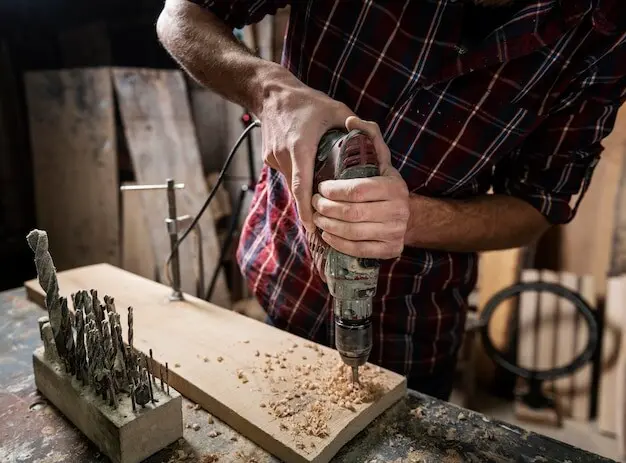
Slightly offset peg holes create drawbore tension that locks shoulders tight without glue. Oak or robinia pegs resist crushing, while rift-sawn tenons minimize split risk. Tolerances are precise yet forgiving, making later disassembly, tightening, or replacement possible, so buildings adapt gracefully as needs and climates evolve.

Scarfing Long Beams

Where spans exceed available tree lengths, tabled or stop-splayed scarfs with hardwood keys carry bending and shear. Wedges orient water away from joints. A revived valley barn used this method along the ridge, transforming unsafe sagging into a continuous, smiling line under new snow.
Shaping for Water and Air

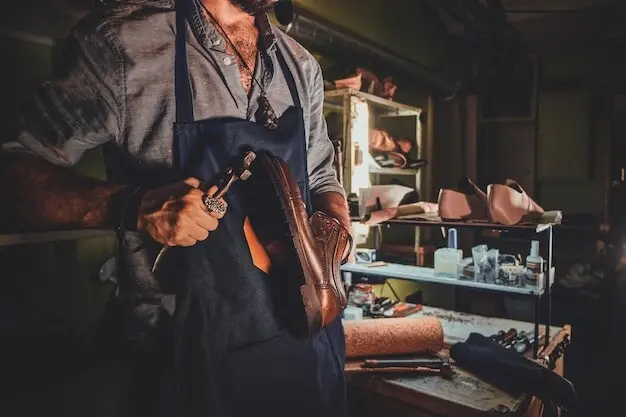
Arrises softened and sills sloped shed water; kerfs become drip edges; ventilated cavities let assemblies dry rapidly after storms. An honest pencil line, a sharp chisel, and patience at each corner make performance durable, because moisture management begins where the blade meets the fiber.

Shingles Alive With Grain and Light

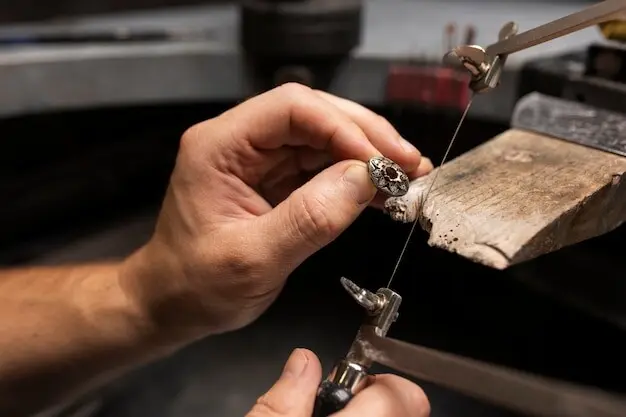
Split rather than sawn, Alpine shingles follow the wood’s fibers, sealing against rain and lifting gently with sun and breeze. Installed over ventilated battens with generous overlap, they age into silver, store carbon, and invite touch—quietly transforming roofs and facades into living, protective skins.

Splitting Larch the Old Way

With froe and mallet, billets are riven radially so each shingle keeps continuous grain from butt to tip. That continuity resists cupping and cracking. A mountain workshop found students learned quickly, smiling at the rhythm, while bundles stacked to dry perfumed the valley with resin.

Patterns, Pitch, and Weathering

Steep pitches shed snow; triple coverage at eaves and hips blocks wind-driven rain; alternating widths create subtle patterns that read like woven cloth. Left unfinished, larch greys with dignity; pine tar or light oil can guide early tone while preserving vapor openness and tactile honesty.

Low-Carbon Building Physics That Breathes

Vapor-open assemblies with excellent airtightness balance comfort and durability. Wood-fiber insulation, clay plasters, and ventilated cavities buffer humidity swings, muffle sound, and delay summer heat. Modeled carefully and detailed on site, these envelopes avoid hidden condensation while delivering warm winters, cool summers, and honest indoor air.

Vapor-Open, Airtight: The Productive Paradox

Airtight layers stop drafts and protect structure; vapor openness lets assemblies dry both directions when needed. Think taped sheathing, gaskets at joints, then diffusion-friendly insulation and shingles outside. The result is silent, stable, and forgiving, even as weather grows hotter, wetter, and more unpredictable.

Insulation and Thermal Mass, Naturally

Flexible wood-fiber between studs pairs with dense boards outside to reduce thermal bridging and add time-lag against summer peaks. The same fibres absorb and release moisture, smoothing indoor swings. Paired with thoughtful shading and night ventilation, Alpine interiors stay calm during heat waves.

Model First, Then Build

Before cutting a beam, simulate hygrothermal behavior and energy use using robust tools, then test mockups outdoors. Blower-door testing verifies workmanship. Feedback loops between drawings, site practice, and results ensure comfort, longevity, and learning that spreads across projects, craftspeople, and future caretakers.

Tools, Workshops, and Digital Bridges

Hand tools teach fiber behavior and silence; digital machines add repeatability and speed. Together they democratize excellence, letting small teams fabricate precise frames and thousands of shingles while keeping finishing, fitting, and storytelling in human hands. The workshop becomes both classroom and celebration.

Case Stories From the High Valleys

A School That Smells of Larch

A small village school replaced brittle panels with ventilated larch shingles and wood-fiber boards. Children track snow inside, yet walls breathe and dry. Monitors showed quieter classrooms and steadier humidity, while parents volunteered weekend shifts, discovering the joy of shaping protective, sunlit scales together.

A Roof Reborn Over a Centuries-Old Barn

Neighbors gathered to strip rusted sheets and lay split shingles over new battens, adding bird habitat under eaves. The ridgeline lifted back to true. Hay stayed drier, and winter chores felt warmer, not from heaters but from the renewed pride held in every scarf.

A Co-op Workshop That Teaches and Thrives

A regional cooperative pooled tools, timber orders, and training. Apprentices learned to rive, scribe, and tape airtight layers, then earn while helping neighbors. Orders fund scholarships; offcuts feed a district heater. The result is circular, generous, and visible in rooftops glittering after storms.

Join the Revival

Help carry this craft forward by sharing projects, questions, and photos; subscribe for workshop dates, detailed drawings, and tool lists; and tell us what obstacles you face. Together we can reconnect forests, mills, shops, and neighborhoods, proving careful wood and shingles belong in tomorrow’s skylines.
Laximexozerasento
Privacy Overview

This website uses cookies so that we can provide you with the best user experience possible. Cookie information is stored in your browser and performs functions such as recognising you when you return to our website and helping our team to understand which sections of the website you find most interesting and useful.